Lost storm logs from the early years: 1979 through 2002
As part of an effort to fill in gaps in my storm chase log records, I created this page to chronicle early observed events and storm chases in my career that weren't originally logged. Prior to 2003, I don't have a good record of all of my "lesser" chases thanks to my practice of only logging events that resulted in a good catch. These events shown here are ones that I either have a good memory of, or ones identified by looking through my box of old slides, negatives and prints. For most of these, I don't know the date or even the year, only a range of dates when they could have occurred. There are still many more of these "lost" unlogged chases, which I'll add when I'm able to locate or remember any signs of them existing.
Early/Undated Event/Chase List (12)
- George Washington lightning - Charleston, WV (sometime between 1979 and 1982)
- First close lightning strike - Washington, PA (sometime between 1983 and 1988)
- Watching lightning from above - Fancy Gap, VA (sometime between 1985 and 1989)
- Railroad hike storm at Eagle, WV (sometime between April 1994 and September 1995)
- Power arc in windstorm starts forest fire (sometime between February 1994 and December 1995)
- Winter lightning over Montgomery, WV in black and white (February 23, 1995)
- A lightning strike lost: twice - Washington, Pennsylvania (summer of 1996)
- "Long lost" lightning and chase log - Charleston, WV (1996 to 1998)
- Kanawha valley thunderstorm (1997 to 1999)
- Dunbar/South Charleston, WV thunderstorm (1997 to 1999)
- Remarkable lightning continuing current return stroke - Charleston, WV (1997)
- Jellyfish clouds over Teays Valley, WV (November-December 2002)
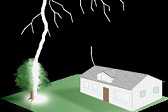
George Washington lightning - Charleston, WV (sometime between 1979 and 1982)
My first memory of watching a thunderstorm was at around the age of 6 or 7 from our house on Quarrier Street in Charleston, West Virginia out of my bedroom window. The window faced the next-door neighbor's house, with the only sky view requiring looking nearly straight up. A bolt occurred partially in this tiny view with a flicker of what I now know to be multiple return strokes. The most distinct memory of this strike was that the channel had a loop that I thought looked like a profile of George Washington.
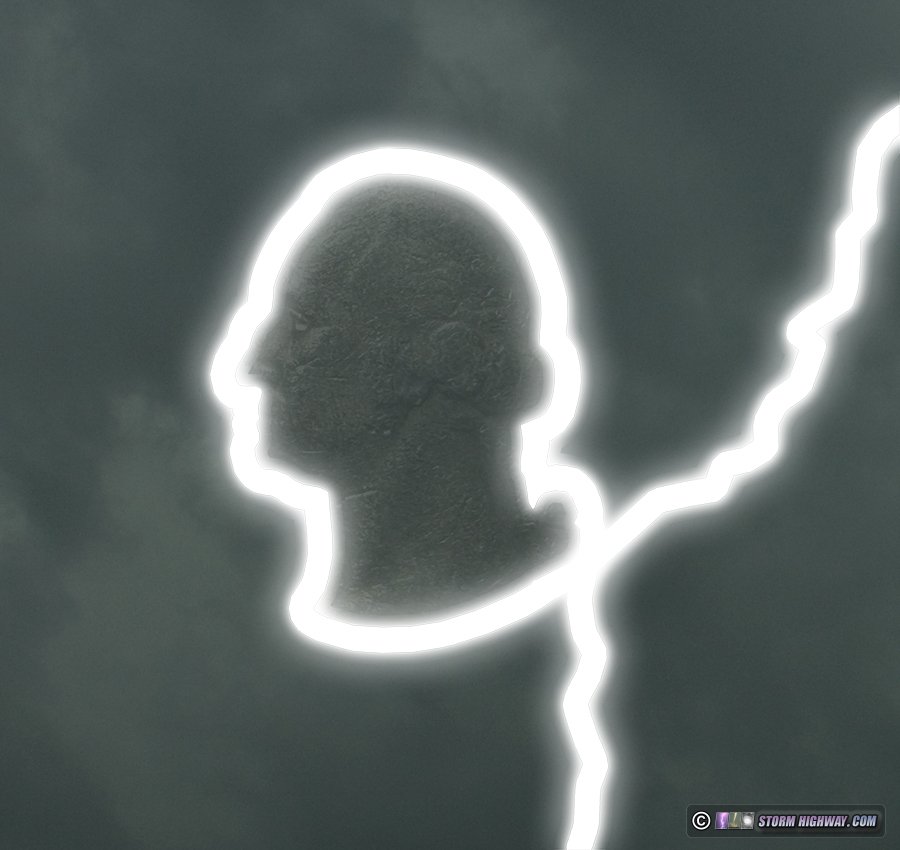 |
| Artist's rendition |
First close lightning strike - Washington, PA (sometime between 1983 and 1988)
My first experience with witnessing the power of nature was as a young boy (sometime between age 9 to 12). I was watching a summer thunderstorm from our back door in Washington, Pennsylvania when a strike hit a couple hundred feet in front of me. The thunder blast was instantaneous. I excitedly ran back inside to tell everyone what I'd seen.
After the storm, I went into the alley behind our garage to try to find what was hit. I concluded, at the time, that it must have been the metal drain grate in the middle of the road. I now know that was unlikely, it was probably a tree in our back neighbor's yard, or possibly even their house. Watching lightning from above - Fancy Gap, VA (sometime between 1985 and 1989)
My childhood family vacations were midsummer trips to the beach in North Carolina, with several stops to visit relatives in High Point, Raleigh and Kinston. One of the big landmarks of the trip was Fancy Gap grade on Interstate 77, where the highway descended the front range of the Blue Ridge Mountains down on to the Carolina Piedmont. The upper portions of this grade have intermittent nice views of the rolling hills below to the east, with Pilot Mountain and even downtown Winston-Salem visible in the distance on a clear day.
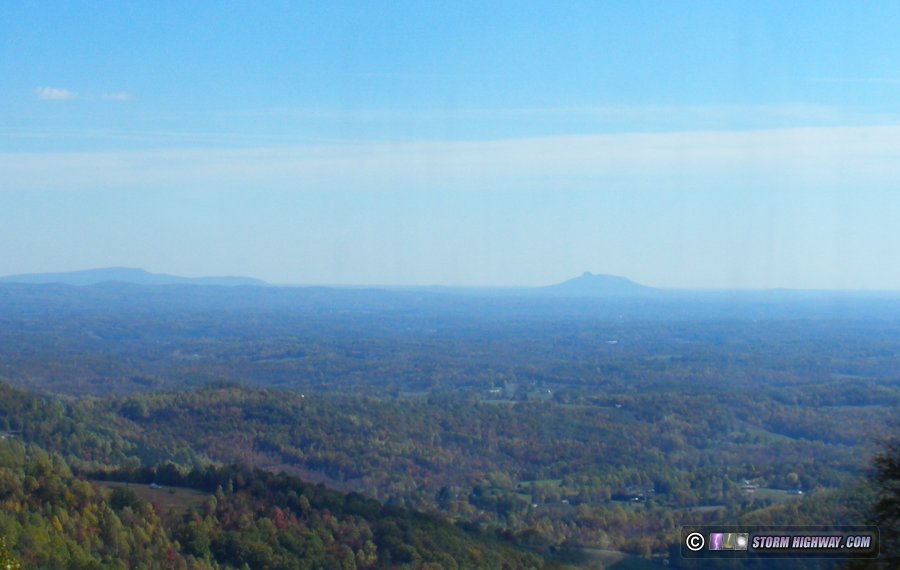
View from Fancy Gap grade on I-77 northbound in 2007
On the return leg of one of these trips - again, I don't remember the year - a thunderstorm was just east of the highway on Fancy Gap grade, with lightning visible striking the lower-elevation ground on the Piedmont below us. It was the first time I'd observed lightning from such an elevated perspective, with the ability to see the points on the ground the bolts were hitting. Railroad hike storm at Eagle, WV (sometime between April 1994 and September 1995)
During my years as an engineering student at West Virginia Tech in Montgomery, West Virginia, I would often take long hikes on the railroad tracks to Mount Carbon, Handley, Deepwater or even Kanawha Falls. Back then, you could do that without raising the ire of the railroads - you'd likely get a visit from the police (or worse) if you did that today. The railroad tracks were actually the safer out of several not-great options to take these long walks or hikes in the narrow upper Kanawha valley: Route 61 and Route 60 were treacherous, curvy, high-speed two-lane roads with no shoulders and constant coal trucks. There were only a couple of muddy hiking trails in the woods, all leading straight up the side of the steep mountains on either side of the river.
As always, I would take my camera with me (Pentax K-1000 film SLR) in my backpack in case I saw anything interesting. One afternoon, there was a strong daytime thunderstorm that went through when I was miles into a hike near Mount Carbon. After hearing the thunder, I took out my camera and ran a mile or so west to near Eagle where there was a better view of the sky. I didn't even have a tripod with me. I propped the camera up on either the rail or pieces of ballast to do 2-second exposures, burning through 1 or 2 rolls of Kodak 100ASA print film. I caught a couple of bolts in frame above the mountains.
As usual, I was anxious to get my first look at these shots. I ran - through the downpour - 3 miles back to Montgomery to catch a KRT bus for the 90-minute ride into Charleston. I barely made it to the closest 1-hour photo lab before they closed (either Merrill Photo or one of the drug stores with a lab).
Alas, the shots didn't turn out: the sky was too overexposed and the bolts weren't visible. I headed to the downtown transit mall to get on one of the last buses for the long ride back into Montgomery that night. Power arc in windstorm starts forest fire - Montgomery, WV (sometime between February 1994 and December 1995)
During a synoptic high gradient wind event during the cool season sometime in 1994 or 1995, I was walking to class from my dorm to one of the WVIT engineering buildings in Montgomery. I witnessed one of the high-tension power lines across the river arcing, which started a wildfire in the dry leaves below. A line of flames rapidly expanded and advanced up the side of the mountain. As is typical for most Appalachian wildfires, this was just burning the dry leaves on the forest floor and mostly affected only the uninhabited middle and upper parts of the mountain. Fires like these are common in Appalachia during dry periods when the trees are bare in the winter, so I don't know if this was enough to make the news. I do remember firefighters keeping an eye on the fire front that night as it slowly advanced downhill toward Smithers, but I don't remember there being any impacts to the town.
Winter lightning over Montgomery, WV in black and white (February 23, 1995)
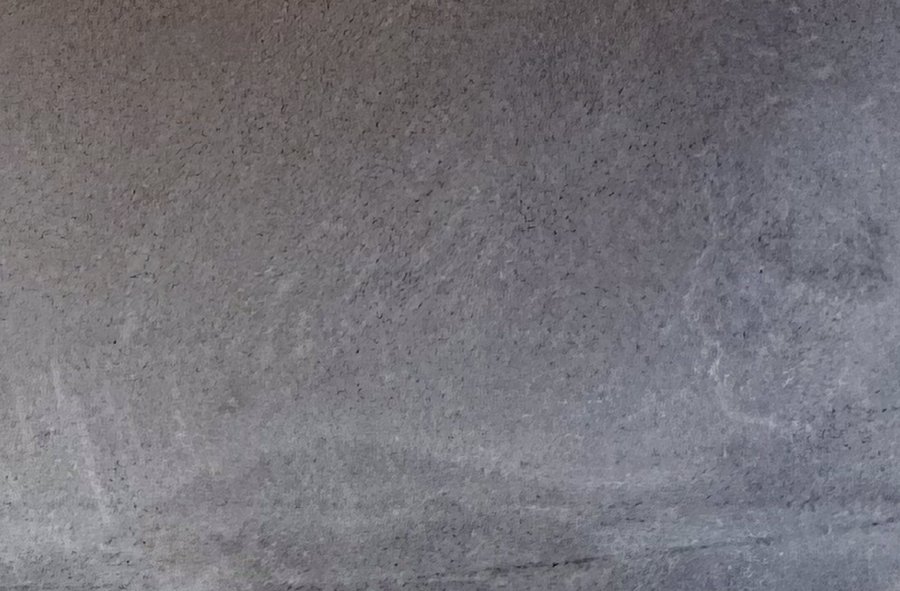
This is the only lightning photo I have where I both shot and developed the film myself. The first semester of 1995, I was taking a photography class at WVIT, so I had a roll of Ilford black and white 35mm film loaded into my camera (Pentax K-1000). During this time, a cold-season thunderstorm rolled over the upper Kanawha valley. I shot the storm from my Maclin Hall dorm room, looking 45 degrees up above the mountain across the river to the north.
This negative has not aged well at all, it's in very poor physical shape with fingerprints, scratches and other artifacts. This is a rough scan of it that looks like something shot on a primitive 1800s plate camera, but at least you can see the lightning bolt and the mountain below it. I have a better-looking print of this, but I have no idea where it is. It's not in my box of old negatives, slides and prints. So, this is the only documentation of this event that I have to show, for now.
It appears the date of this storm was February 23, 1995. I had only labeled the negative sleeve with "February 1995", so I looked up weather data archives to try to find the day of that month this occurred. Weather station records for the Charleston, Huntington and Beckley airports don't show any thunderstorm observations for that month, but they all show that a strong cold front with precipitation went through on the night of the 23rd following a brief period of warm temperatures in the 60s °F. That's the only event in the weather records for that month that would correlate well with thunderstorms, why the ASOS/AWOS stations didn't report the lightning/thunder is a mystery.
A lightning strike lost: twice - Washington, Pennsylvania (summer of 1996)
A loud overnight thunderstorm woke me up as I slept at my parent's house in Pennsylvania during a visit in the summer of 1996 (most likely in July). I went outside to the back porch to try for a few shots. The view wasn't very good, so I just aimed for the only open sky I had to the northeast. After a few frames, a bright, close bolt struck right in the middle of this view: got it!
Early the next morning, I headed to the Giant Eagle grocery store at the Washington Mall to have their one-hour lab develop the film. When I returned to pick them up, they didn't have an envelope for me. None of the shots had turned out, they said, the roll was blank. Doubtful, I asked them to take another look. When shooting a storm at night on film, there will be a lot of completely black frames on the roll, with the ones with lightning interspersed throughout it. I thought they just didn't look at all of the frames close enough.
I've had this happen before, but labs would usually give you the negatives back and just not print any of them. But this time, they'd thrown the negatives into the trash. After I insisted, the lab tech went back and dug through their garbage can to retrieve them. After flipping through a few of the negative strips, there it was: the bolt, clear as day. Apologetic, they made the print of that frame and didn't charge me the developing fee.
After I arrived home, I called the Associated Press in an attempt to sell the catch. In those days, a good lightning shot was somewhat rare and had a chance to get published. They weren't interested.
In the time that has passed since, this shot - both the negative and the print - are one of the few that I've completely lost: all copies and originals are nowhere to be found in my archives: a twice-lost shot. "Long lost" lightning and chase log - Charleston, WV (1996 to 1998)
This is another "twice lost" chase that I actually wrote a log for, then that unintentionally was omitted from my logs section when I re-did it into its current format in 2000. At least I still have the scan of the photo!
This shot came from a lost roll of undeveloped film found years later while cleaning out the car in 2000. Even back then I couldn't remember the date of this storm, but it was sometime between 1996 and 1998. The original chase log tells the story.

Kanawha valley thunderstorm (1997 to 1999)
I shot this daytime storm with 2 to 3 second exposures in an unknown location in the Charleston, WV area, possibly Kanawha City. Only one cloud-to-ground strike was visible on this roll of film's prints. The green trees show this storm was sometime in late spring or summer in the late 1990s.
Dunbar/South Charleston, WV thunderstorm (1997 to 1999)
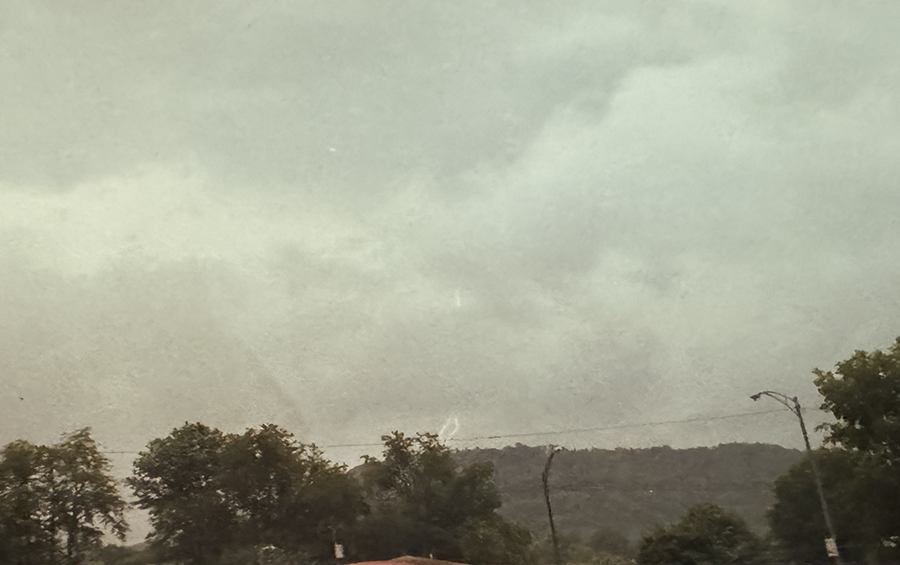
I shot short time exposures of this evening storm from 15th Street in Dunbar, WV, looking across the Kanawha River toward South Charleston. I didn't catch any lightning, at least none is visible on any of the exposures. The bare trees indicate this was likely a March storm in either 1997, 1998 or 1999.
Remarkable lightning continuing current return stroke - Charleston, WV (1997)
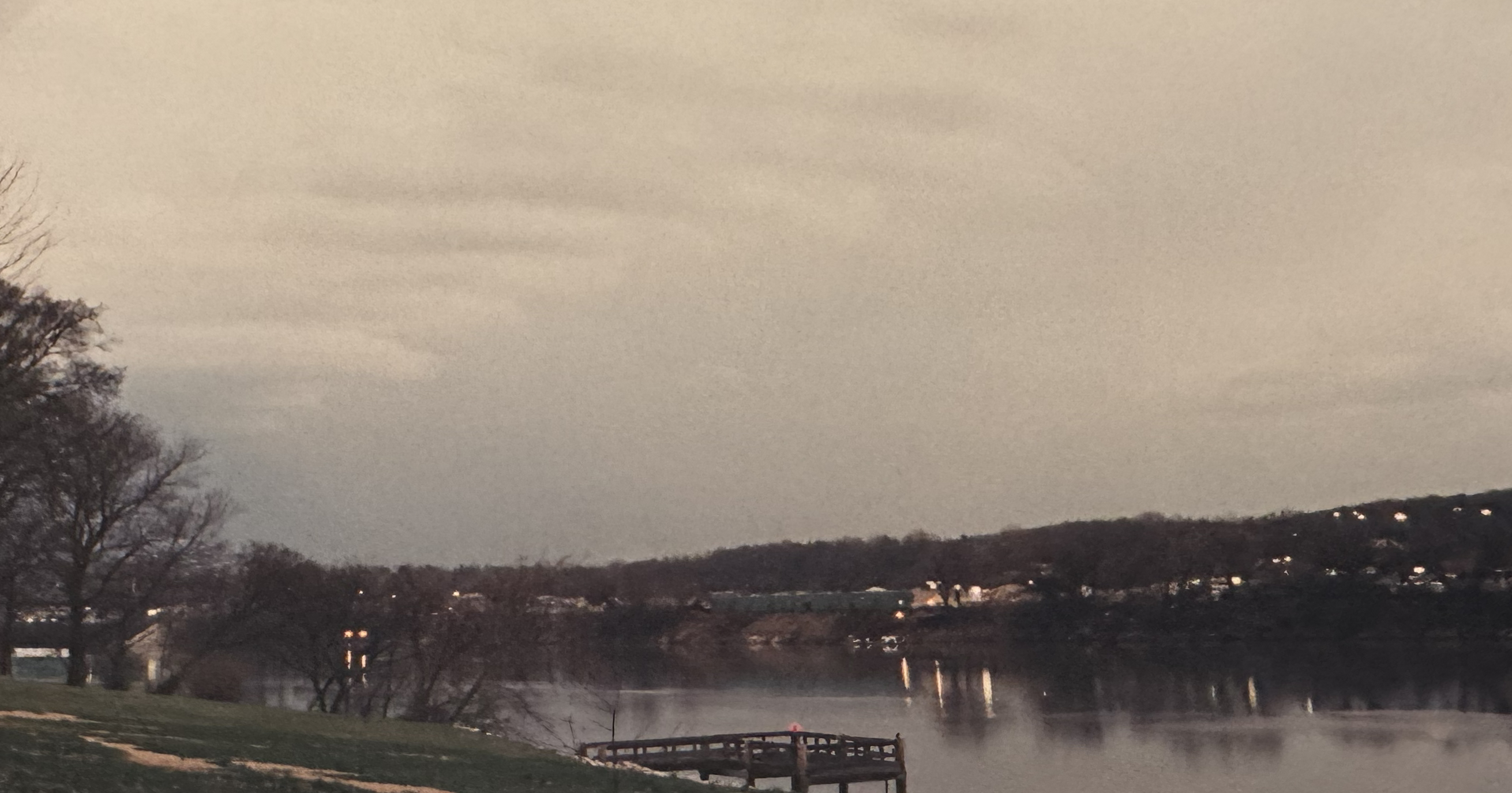
In the summer of 1997, I was working at Goldfarb Electric in downtown Charleston when a strong thunderstorm moved northward over the city. As I was at work, I couldn't chase - but I went out to the loading dock along with several of my coworkers to watch the storm depart.
We had a good view of several (what I now know to be negative) cloud-to-ground bolts in the direction of Yeager Airport. One of the return strokes of thes bolts had the longest instance of continuing current that I've ever witnessed anywhere, even after all my decades chasing the Midwest and Great Plains. It was easily 2 full seconds long, possibly longer! So much so that one my coworkers exclaimed, "Wow, look how it stays!" Jellyfish clouds over Teays Valley, WV (November-December 2002)
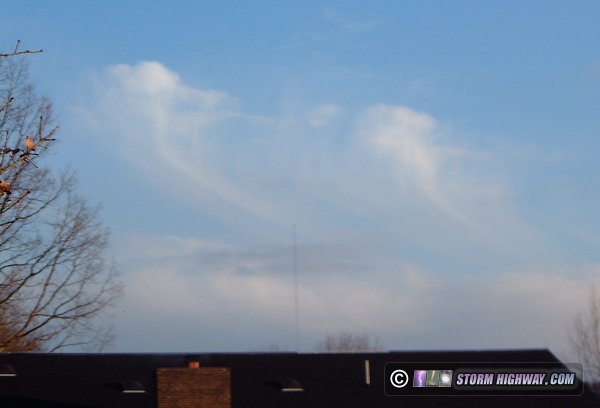
My first observation of rare altocumulus virga (jellyfish) clouds were these which appear to be over Teays Valley, WV (what looks like the old WVAH TV tower is in the background). These images were in a digital camera memory card dump from December of 2002, with the previous folder from October. The bare trees indicate this was from mid-November to December of that year.
GO: Home | Storm Chase Logs | Photography | Extreme Weather Library | Stock Footage | Blog
Featured Weather Library Article:
|