
|
||||||||||||||||||||||||||||||||||||||||
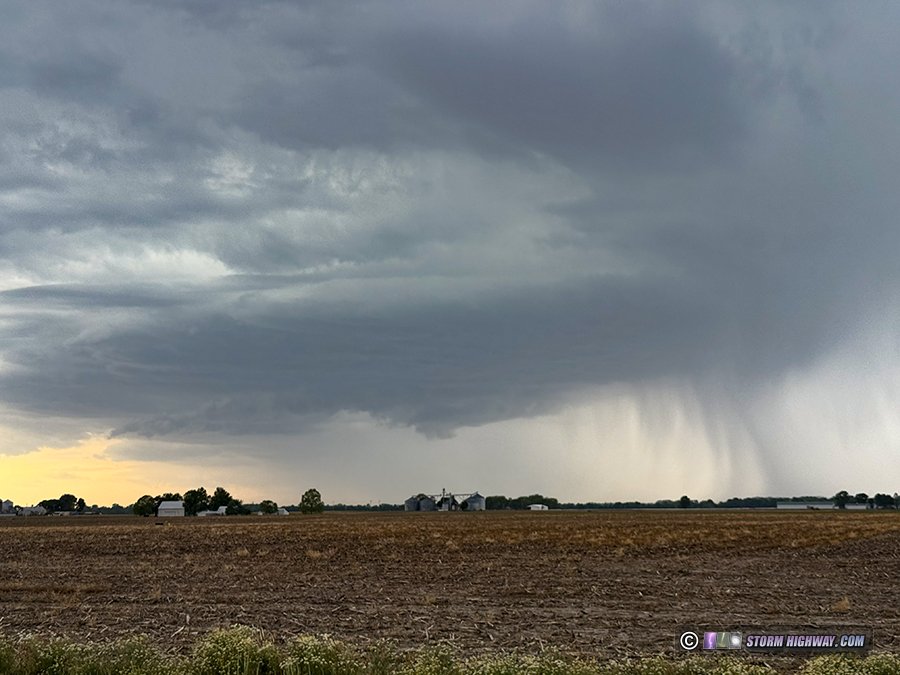
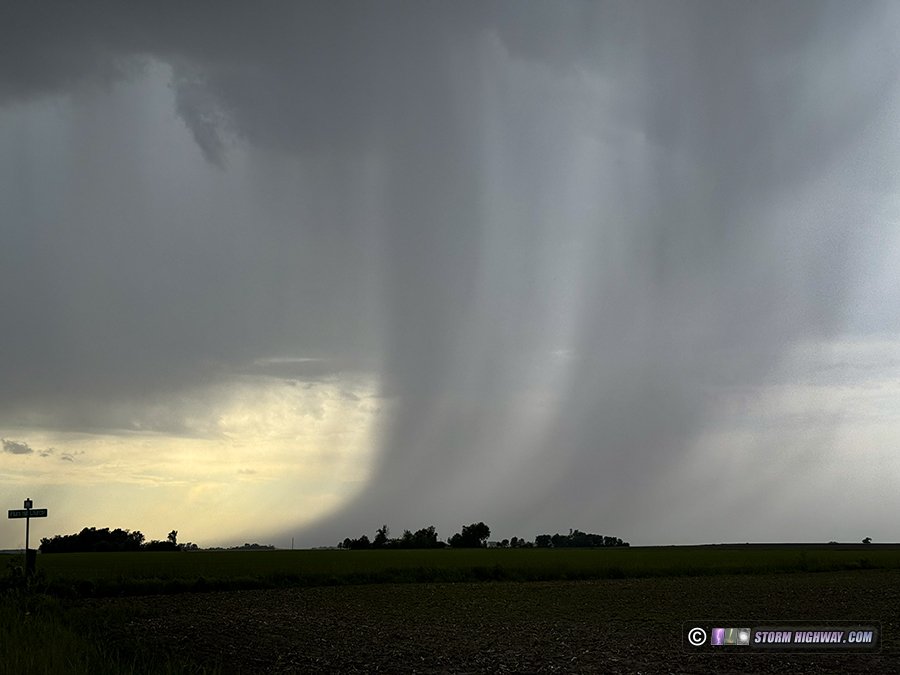
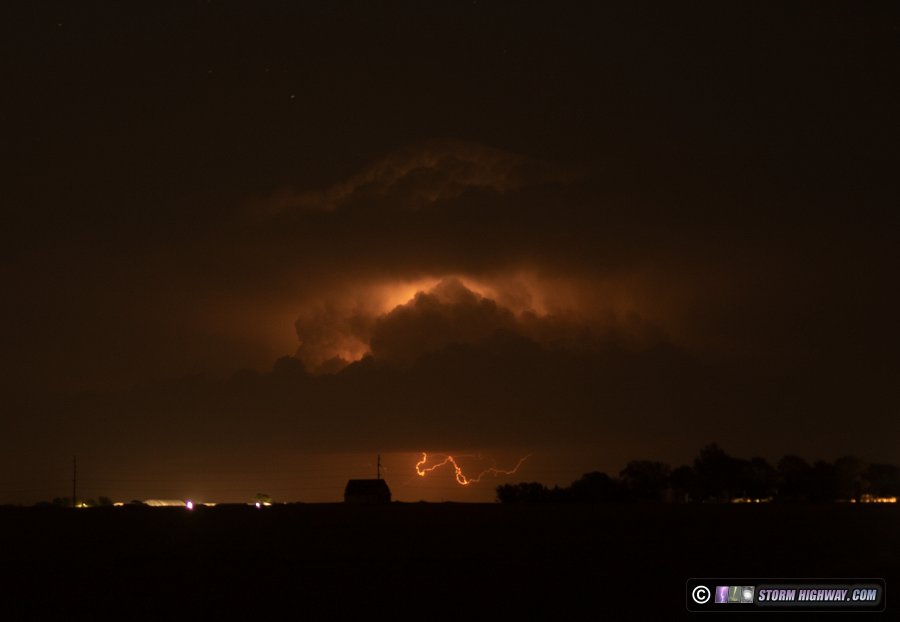
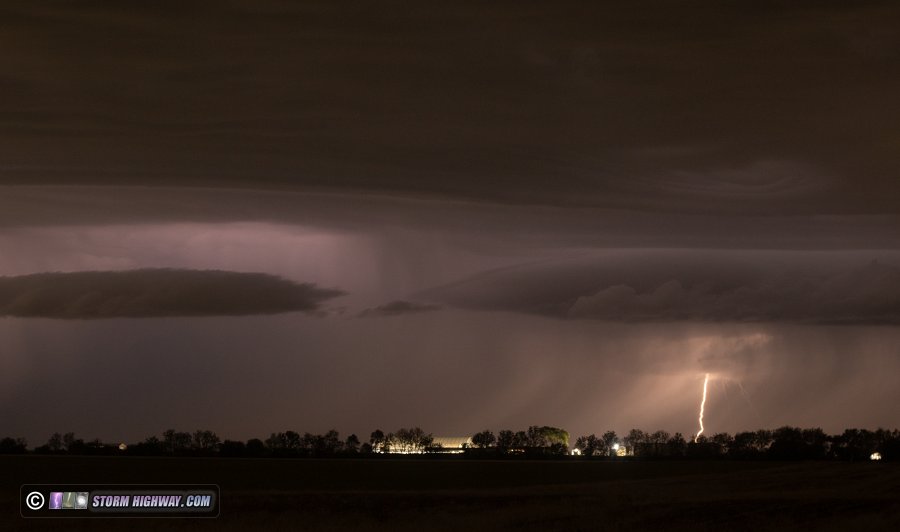
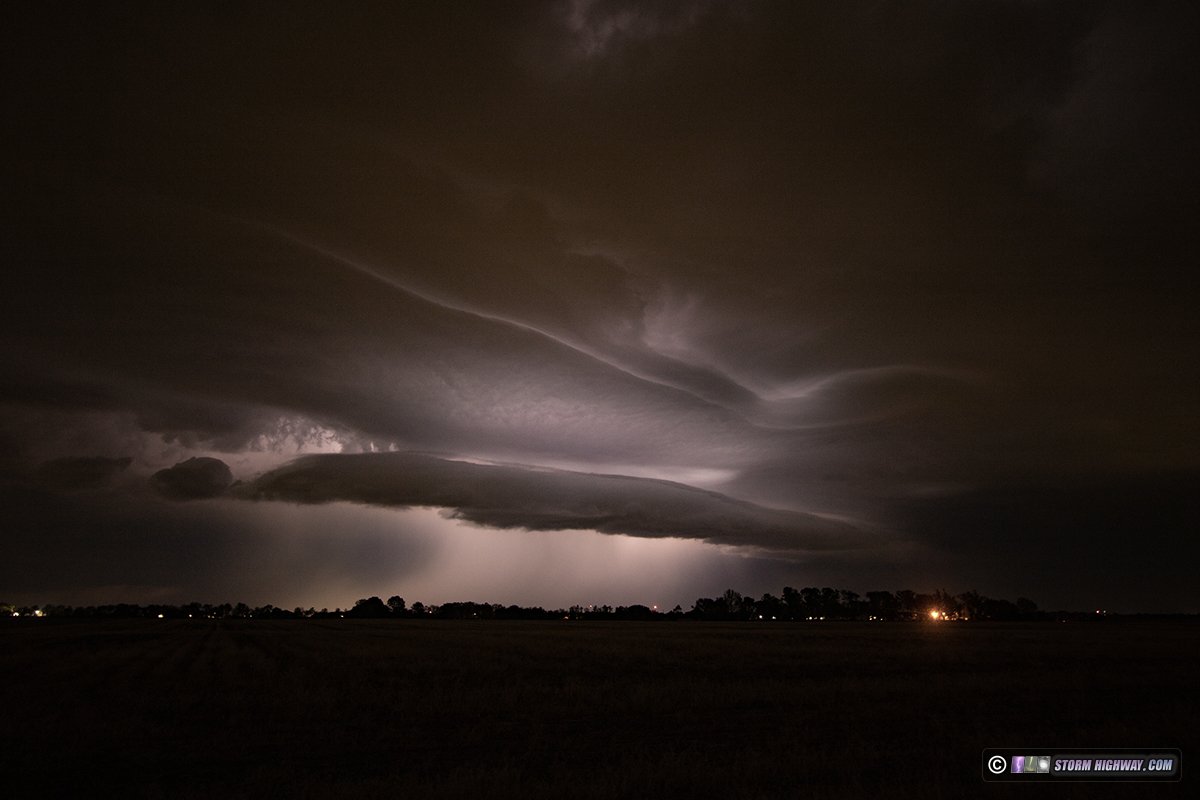
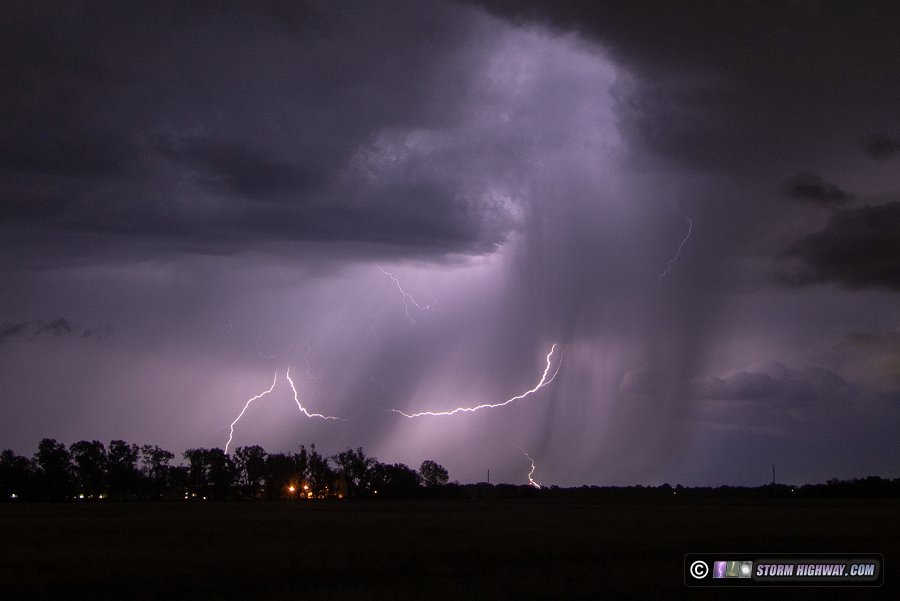
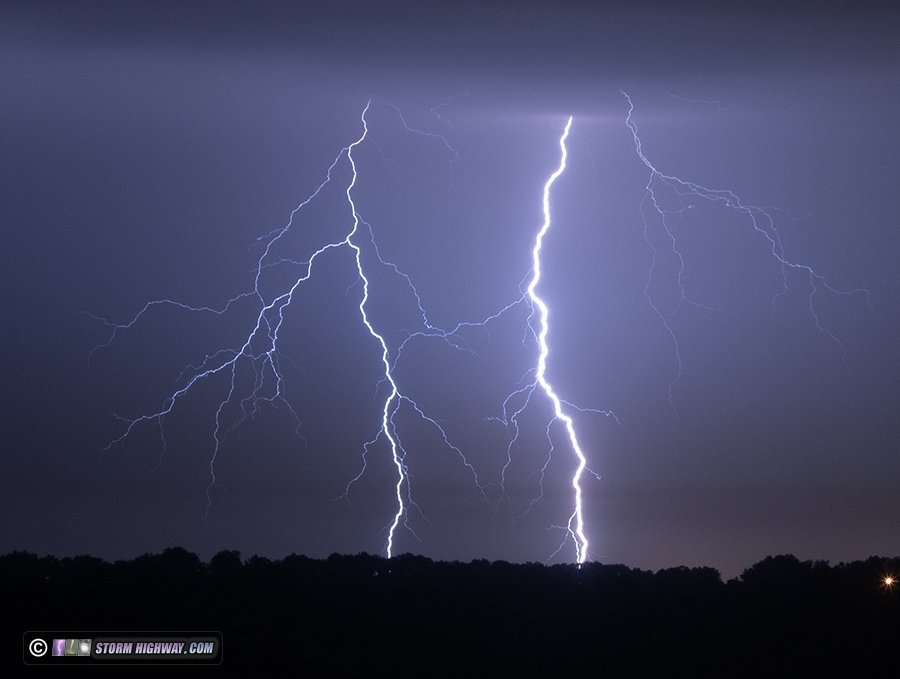
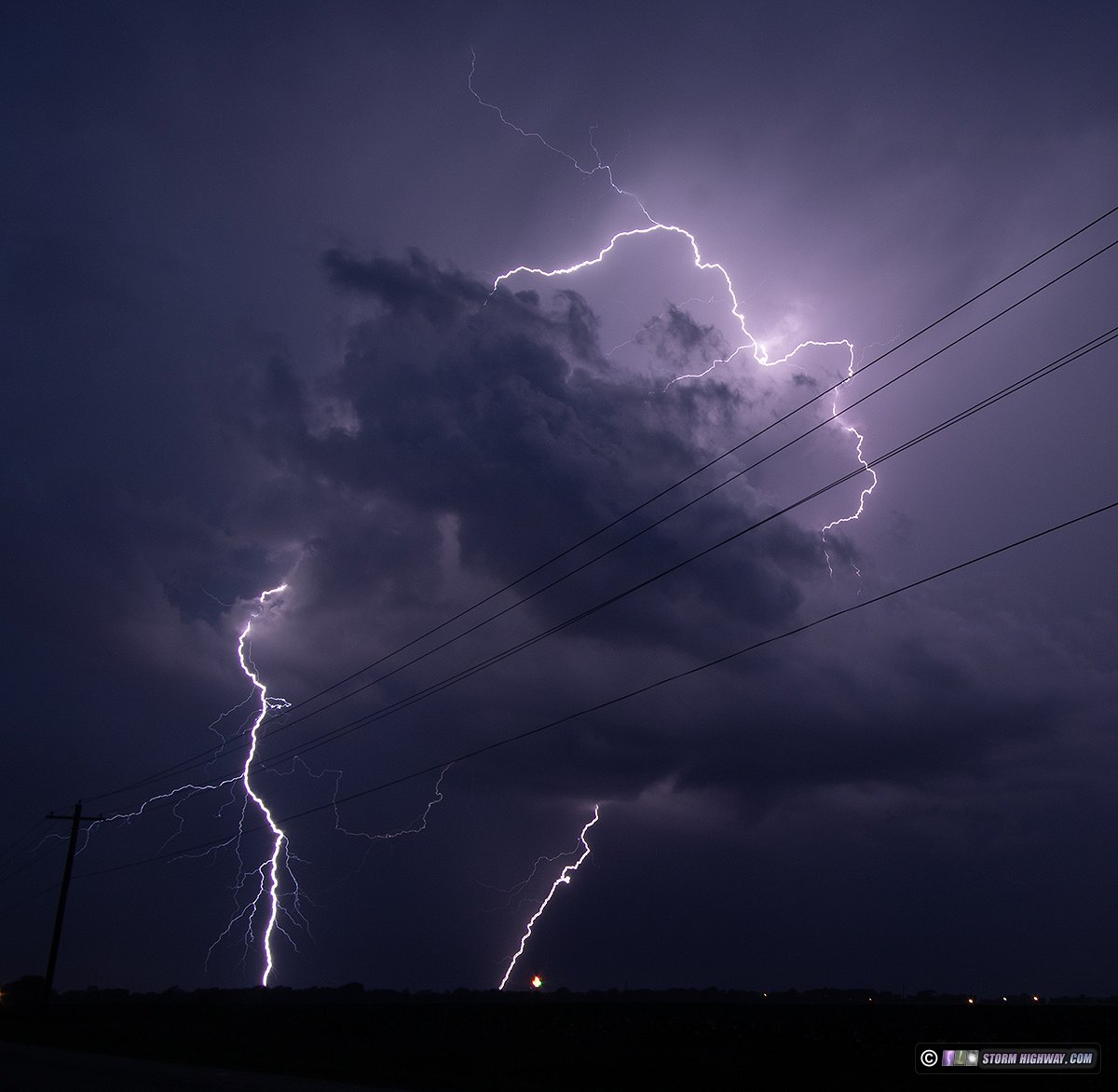
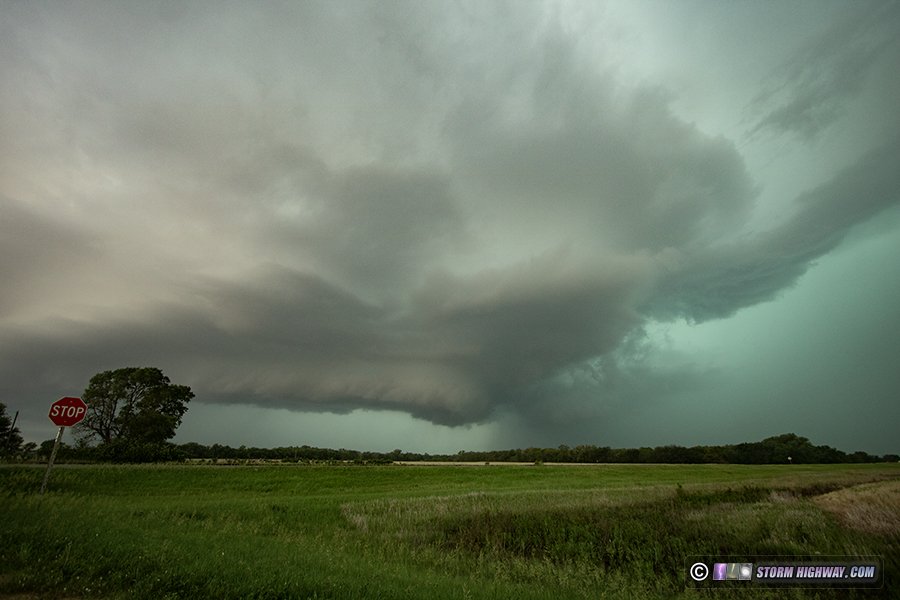
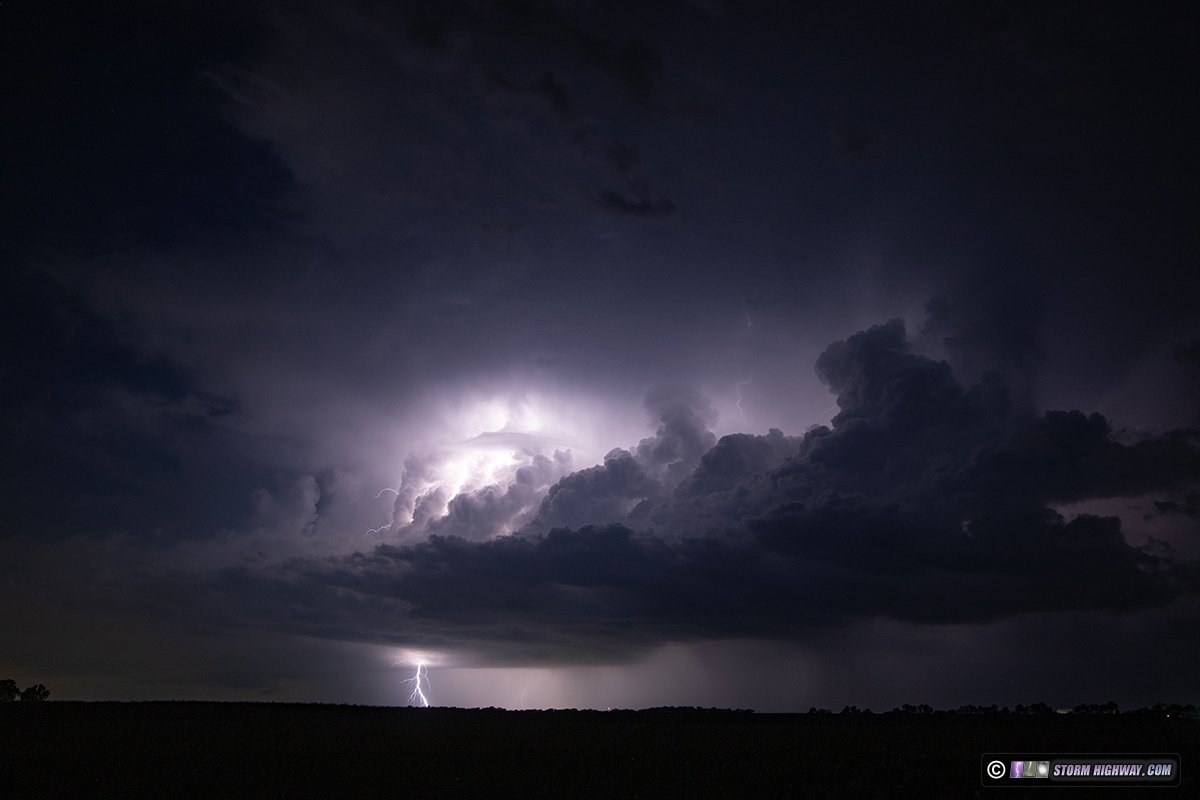
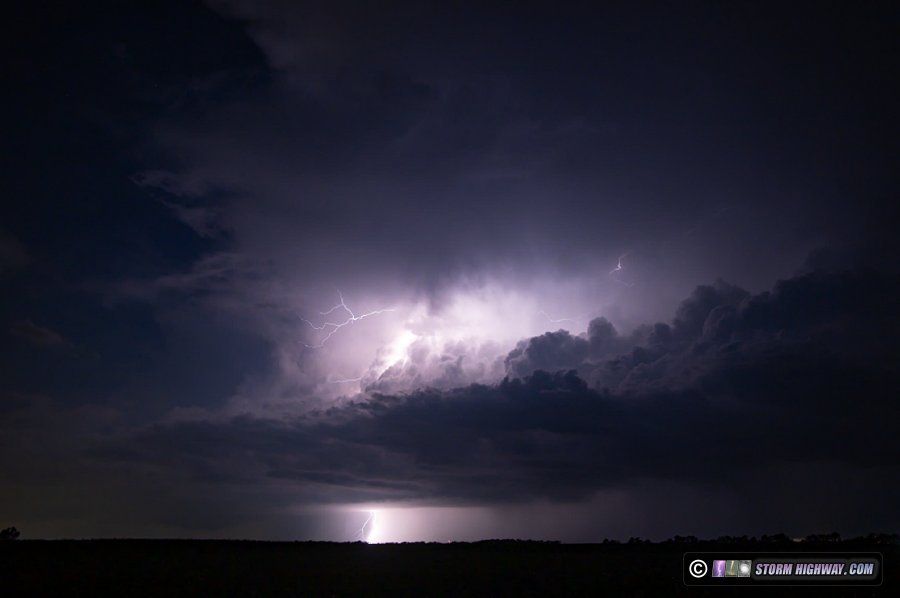
Stronger storms were developing to the southwest and heading in this direction. I positioned south of New Baden to watch these approach as they coalesced into a supercell south of Mascoutah, apparently riding the old outflow from last night. A rear-flank downdraft developed and began wrapping around a weak high-based mesocyclone, never a real threat for a tornado but certainly more than I'd expected to see this early in the day. A heavy precip core continually developed in the forward flank, with multiple dense blobs descending on the south side. I stayed ahead of this to Addieville, stopping a few times to attempt lightning shots.
The supercell slowly lost its punch after passing Okawville, and a trailing cell near St. Libory was trying to take over. Despite some good lightning for an interval, this storm too eventually faded as it approached Lively Grove.
|
||||||||||||||||||||||||||||||||||||||||




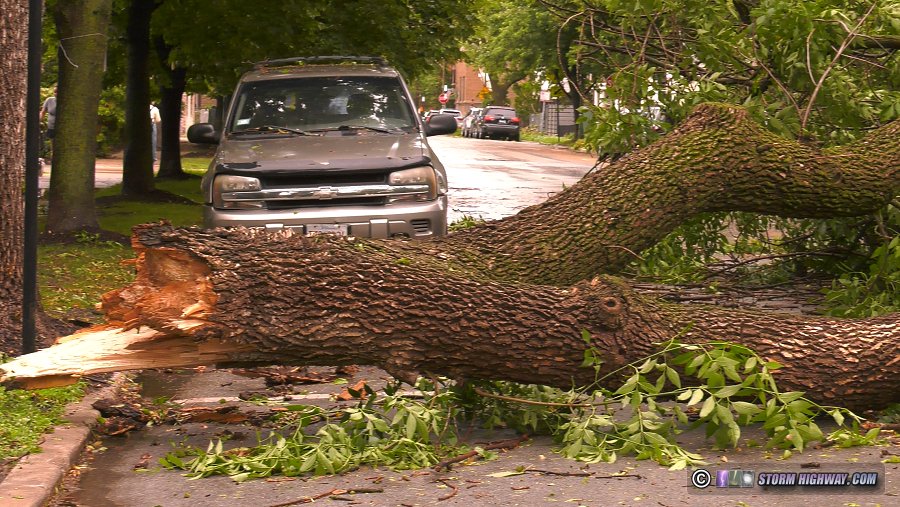
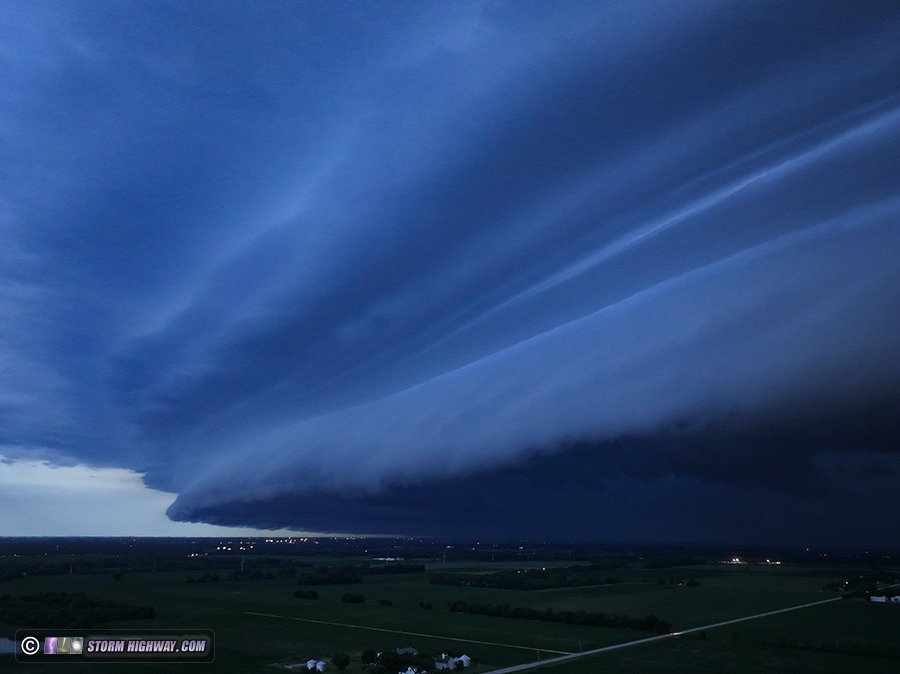
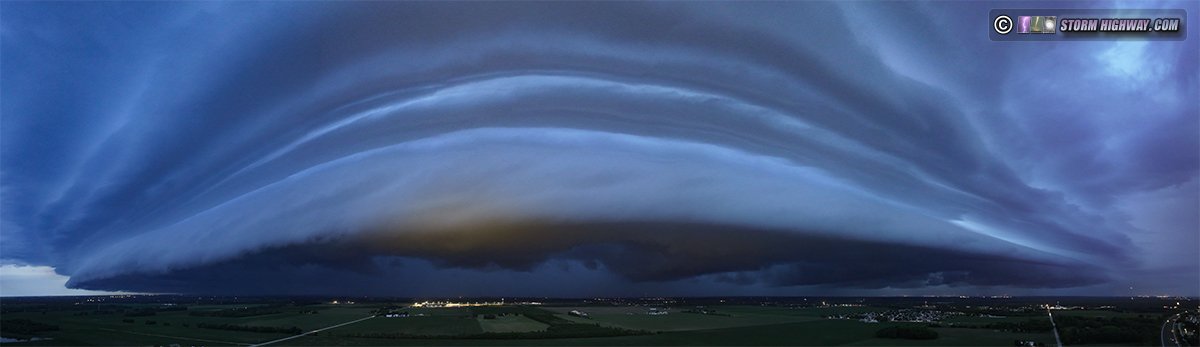

 June 11: Illinois and Indiana Tornado Outbreak
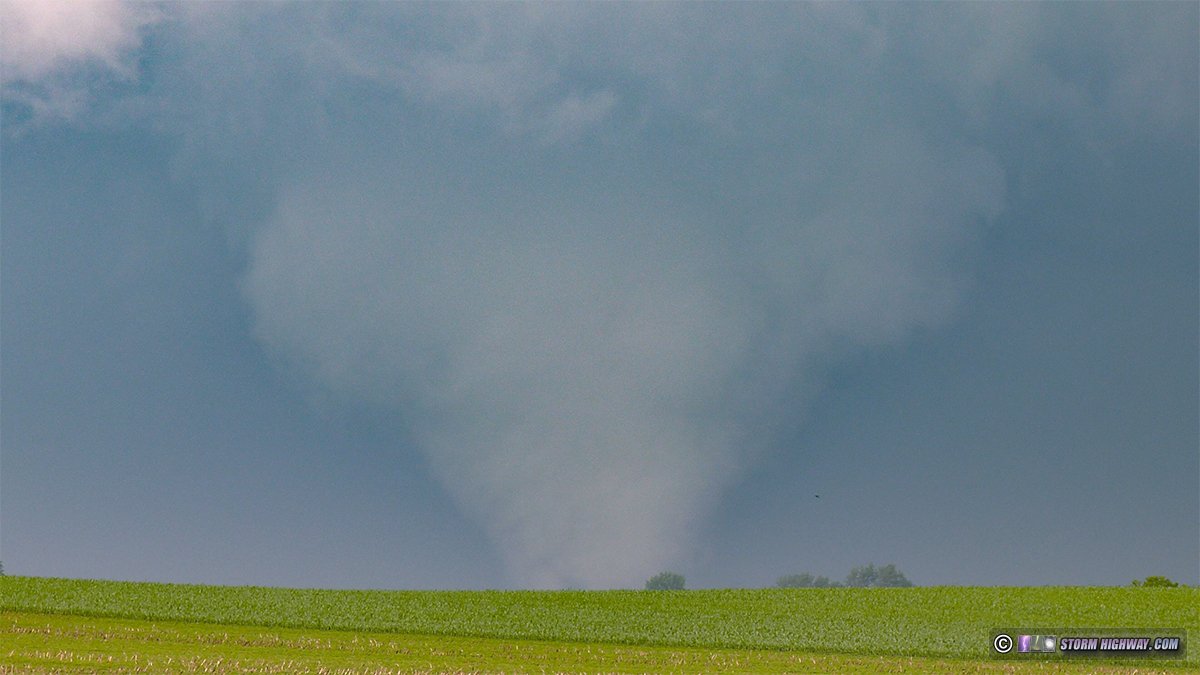
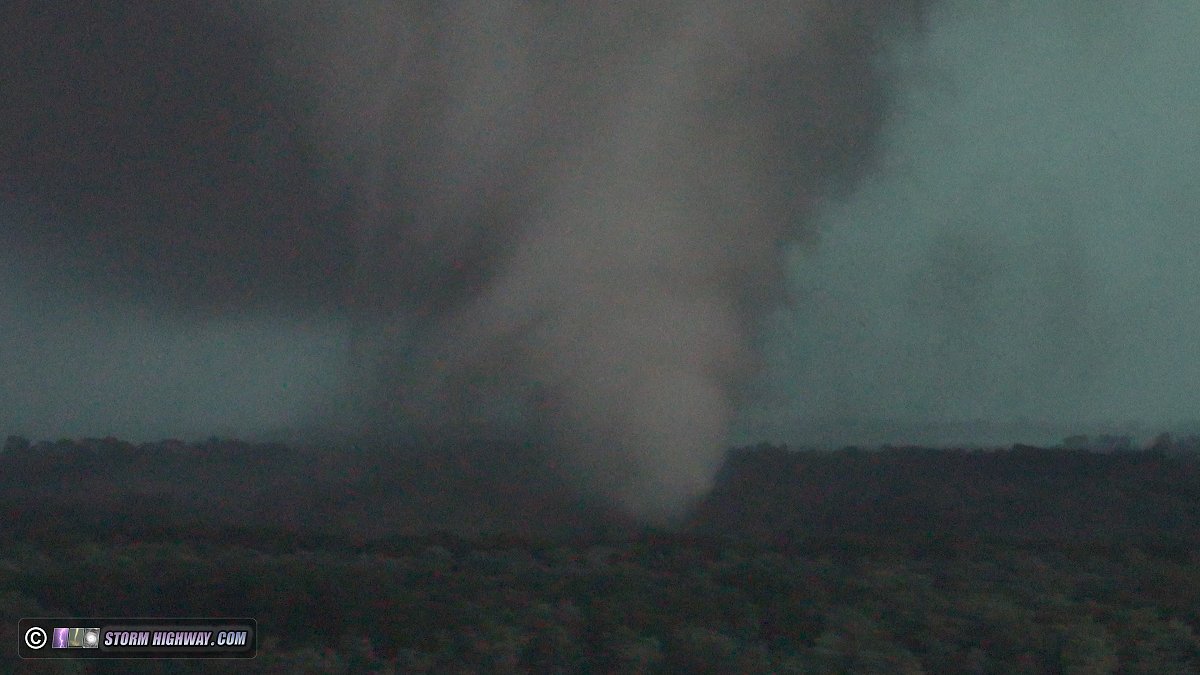
 June 13: Troy, Illinois sprites bust
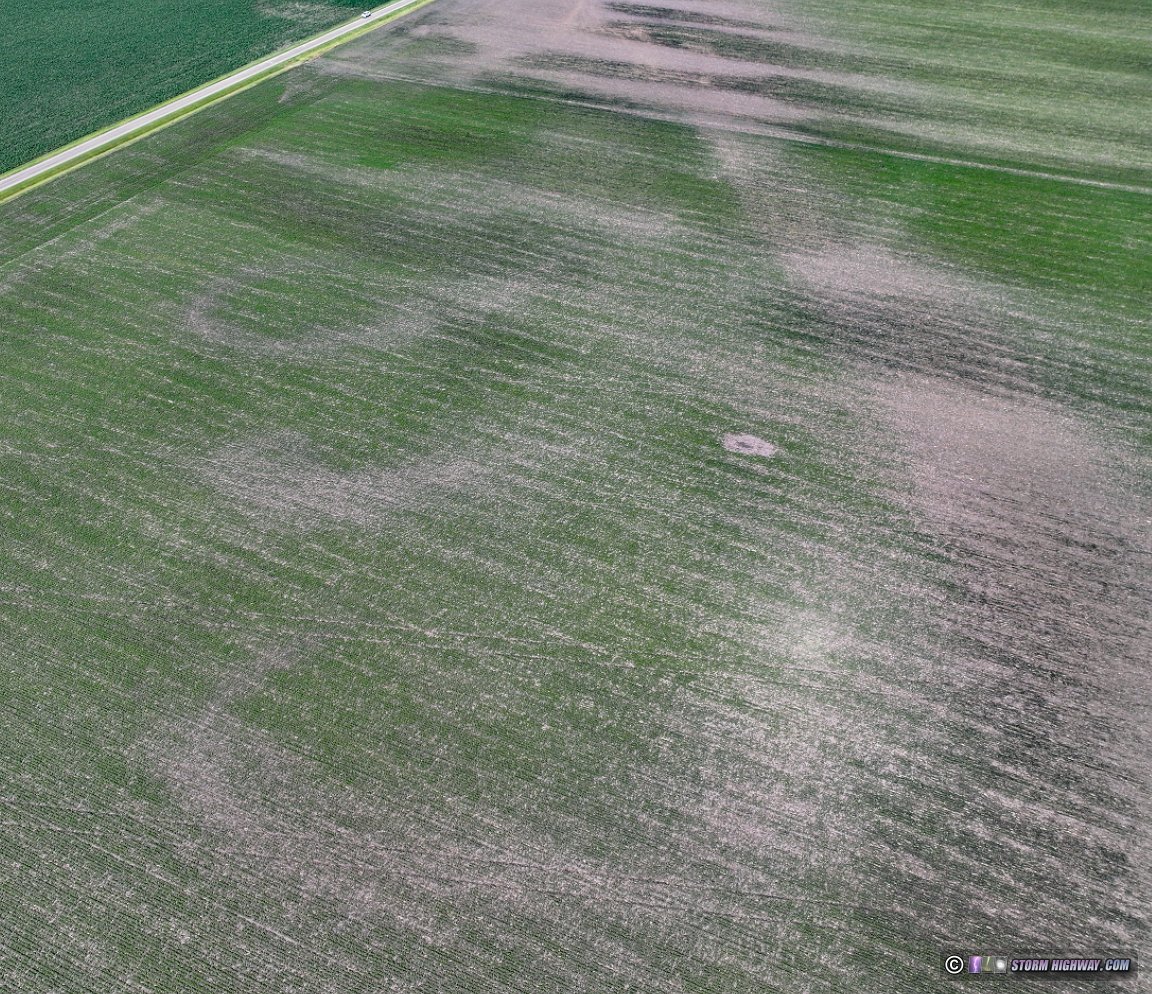
June 14: Cycloidal scars in soybean field from Dwight, Illinois tornado
 June 17: Hillsboro, Illinois supercell
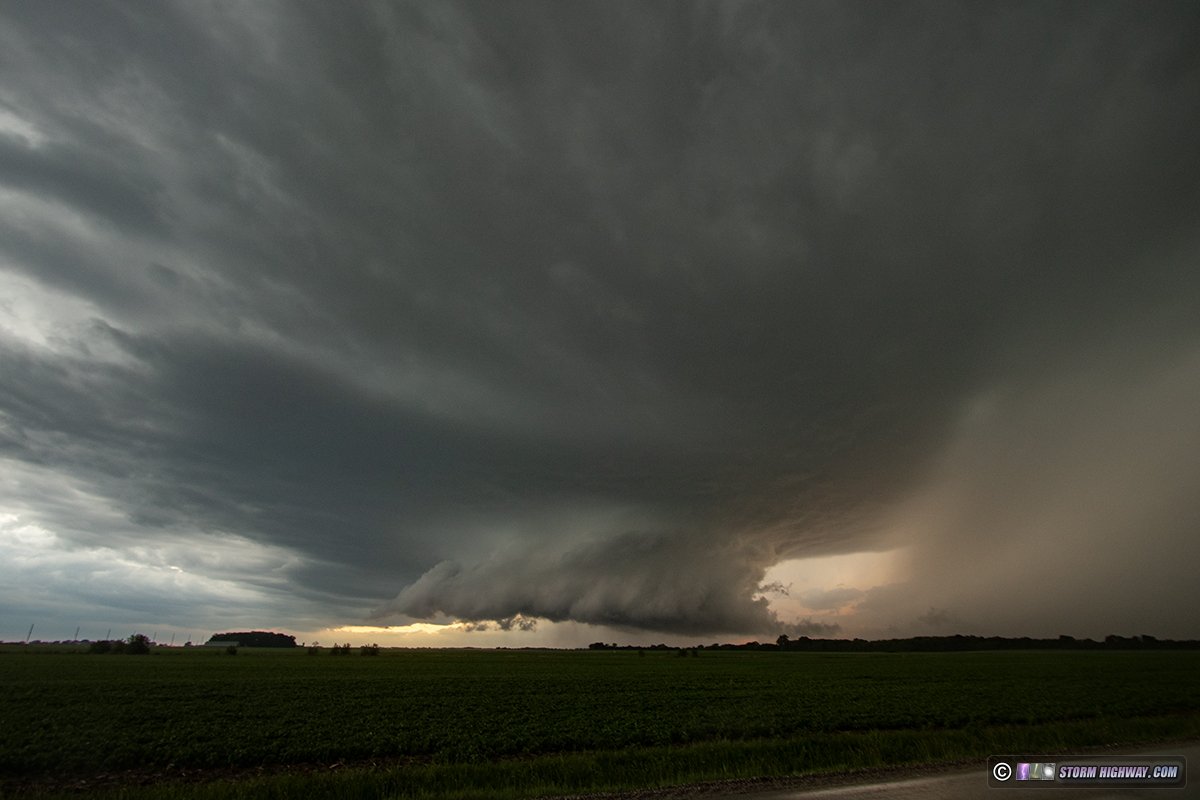
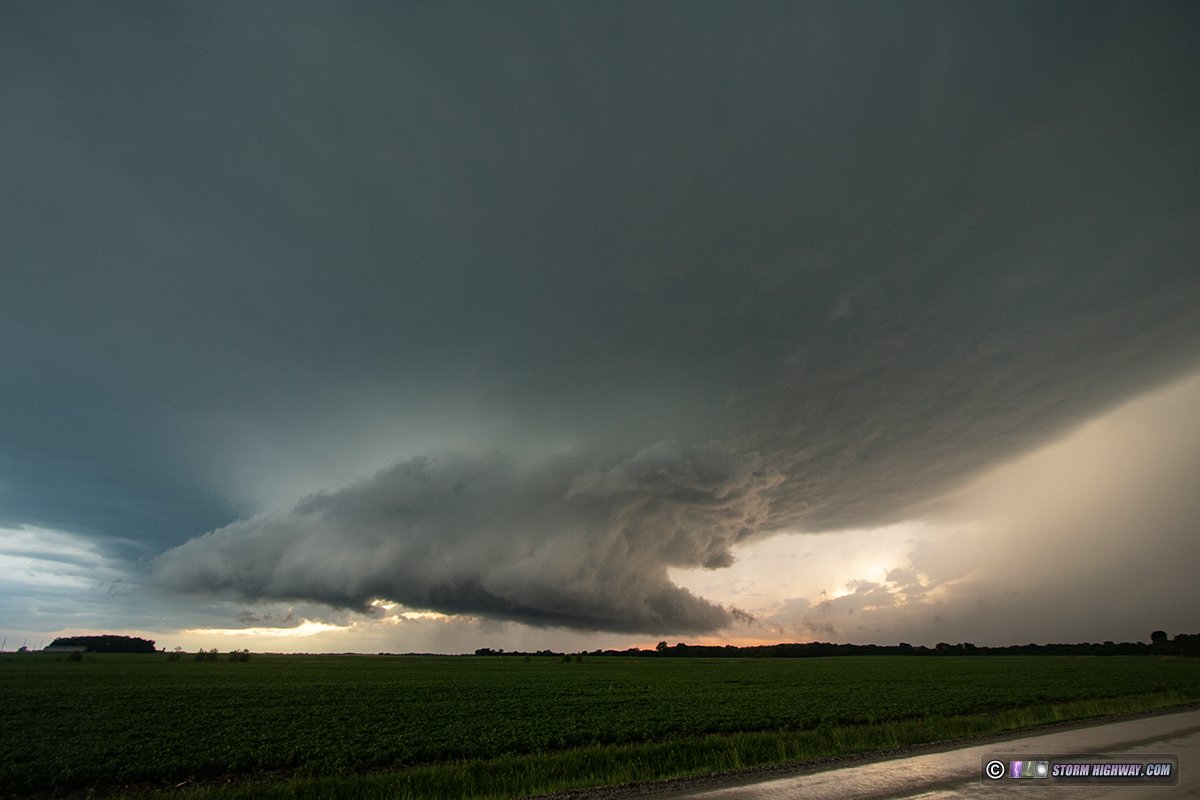
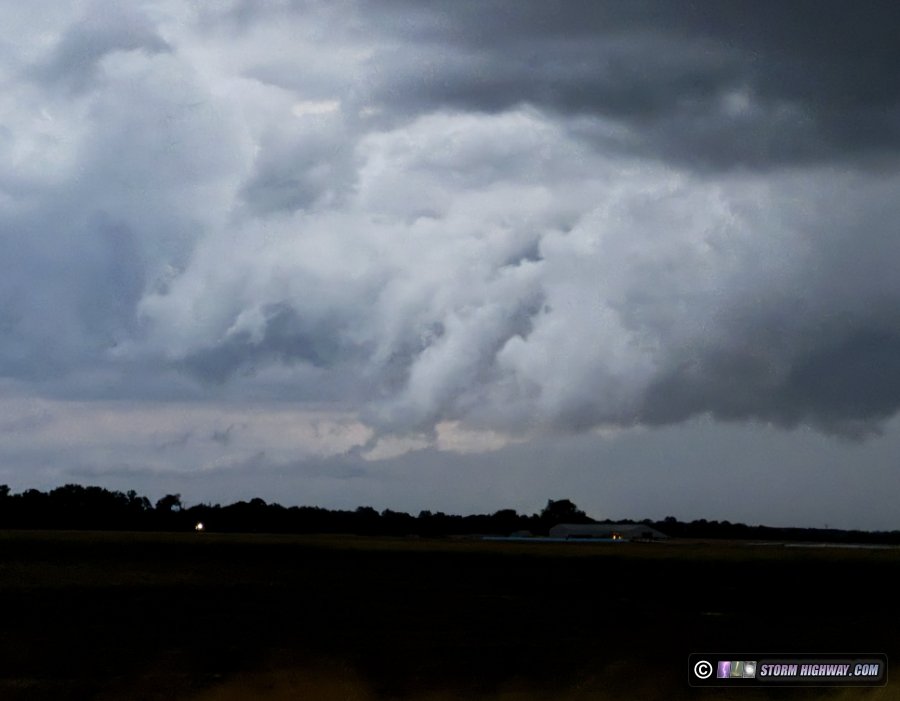
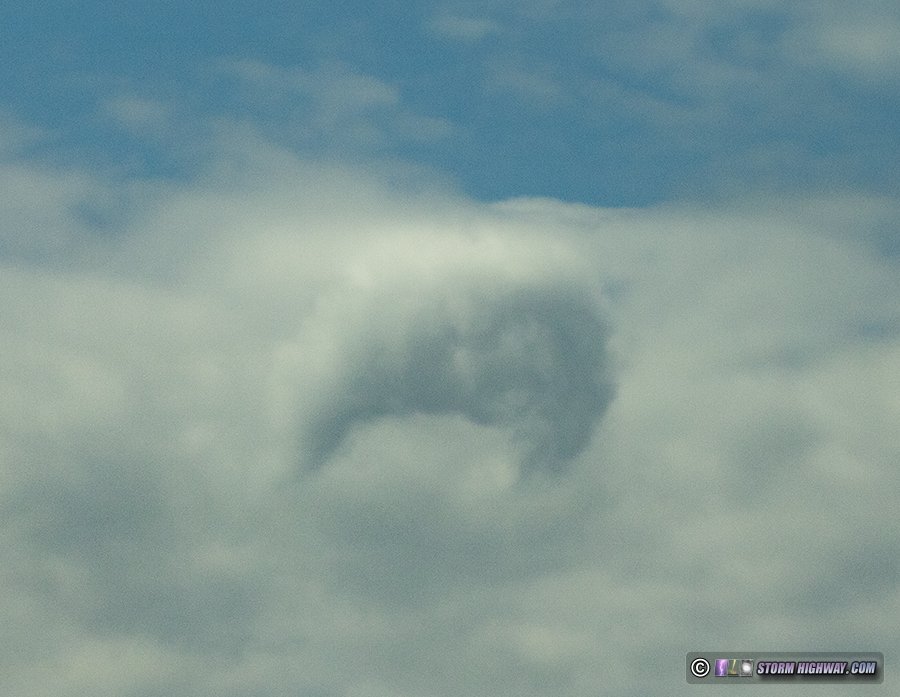
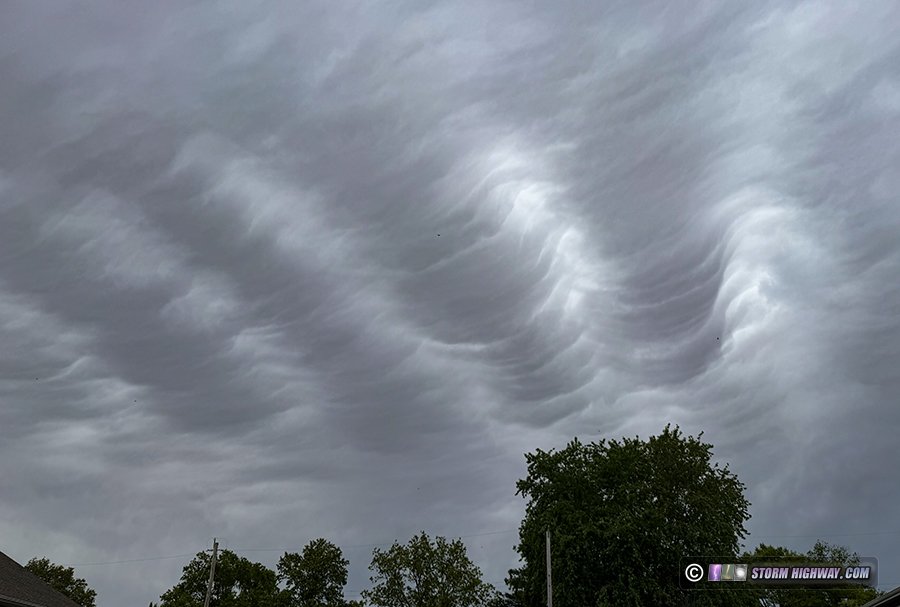
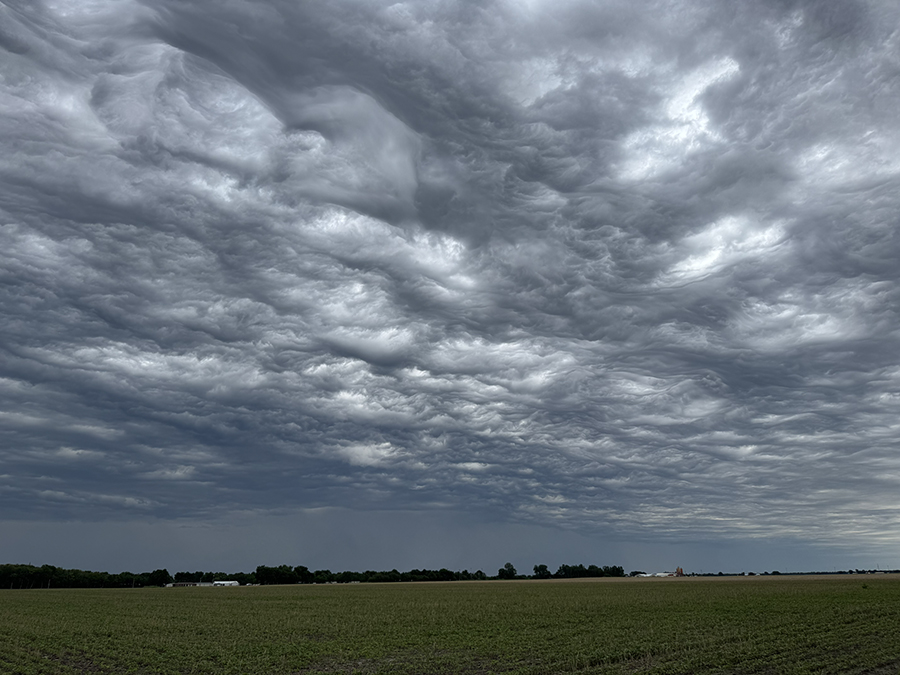
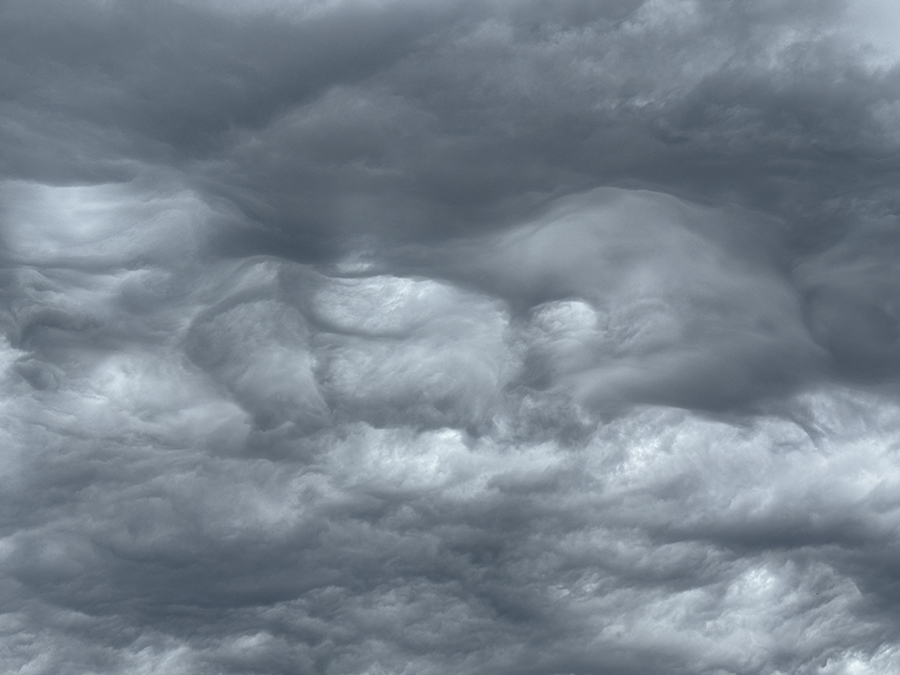
 June 18: Asperatus clouds over New Baden, IL
Illinois and Indiana Tornado Outbreak (Round 2)
I started the chase in downtown St. Louis, waiting to see if a supercell would emerge from the rapidly-reintensifying convection just to the west. This indeed happened, but the storm was already crossing the river to the south once it began to coalesce into a coherent storm. With downtown in the clear, I moved up to I-70 and Highway 4 near Marine to position ahead of this.
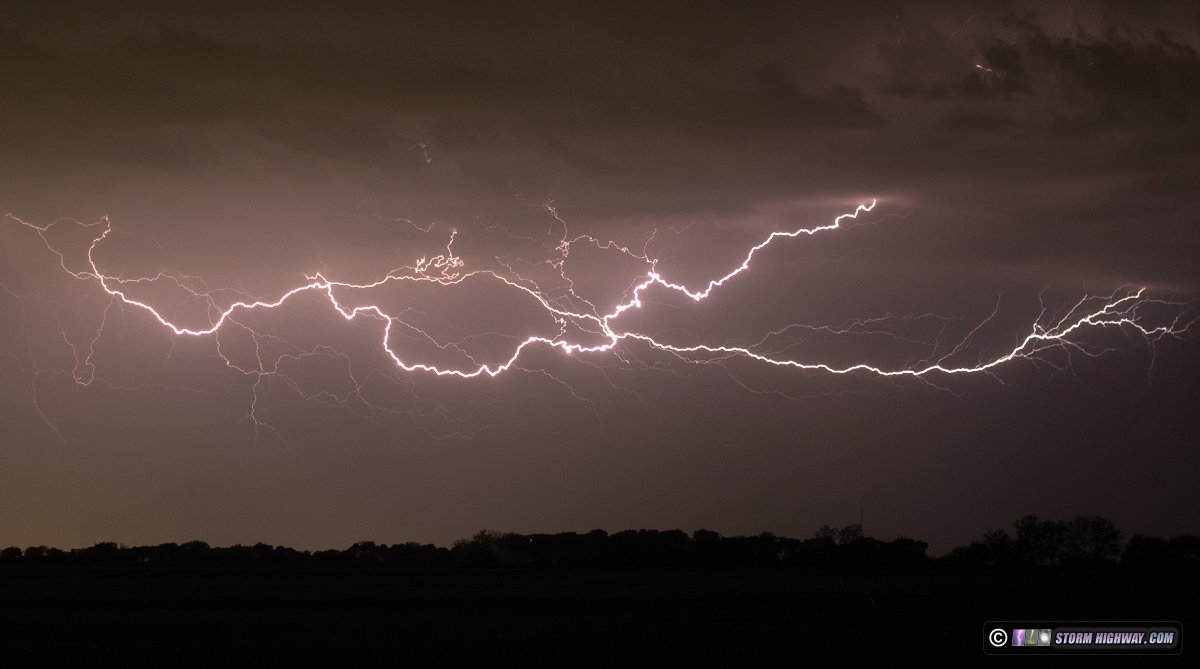
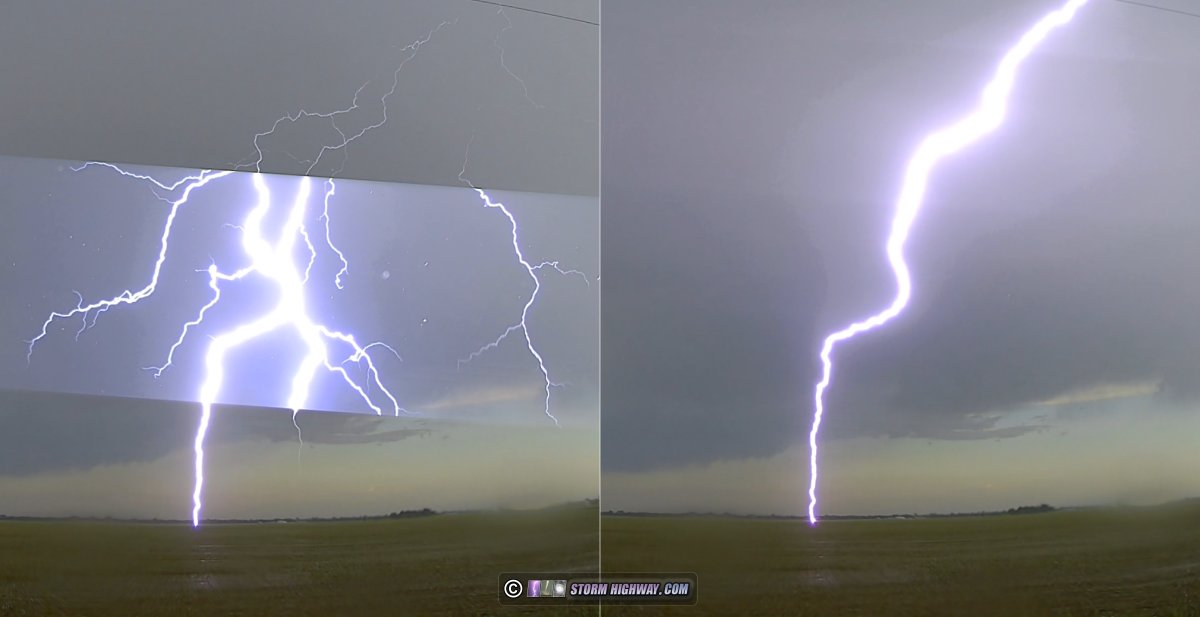
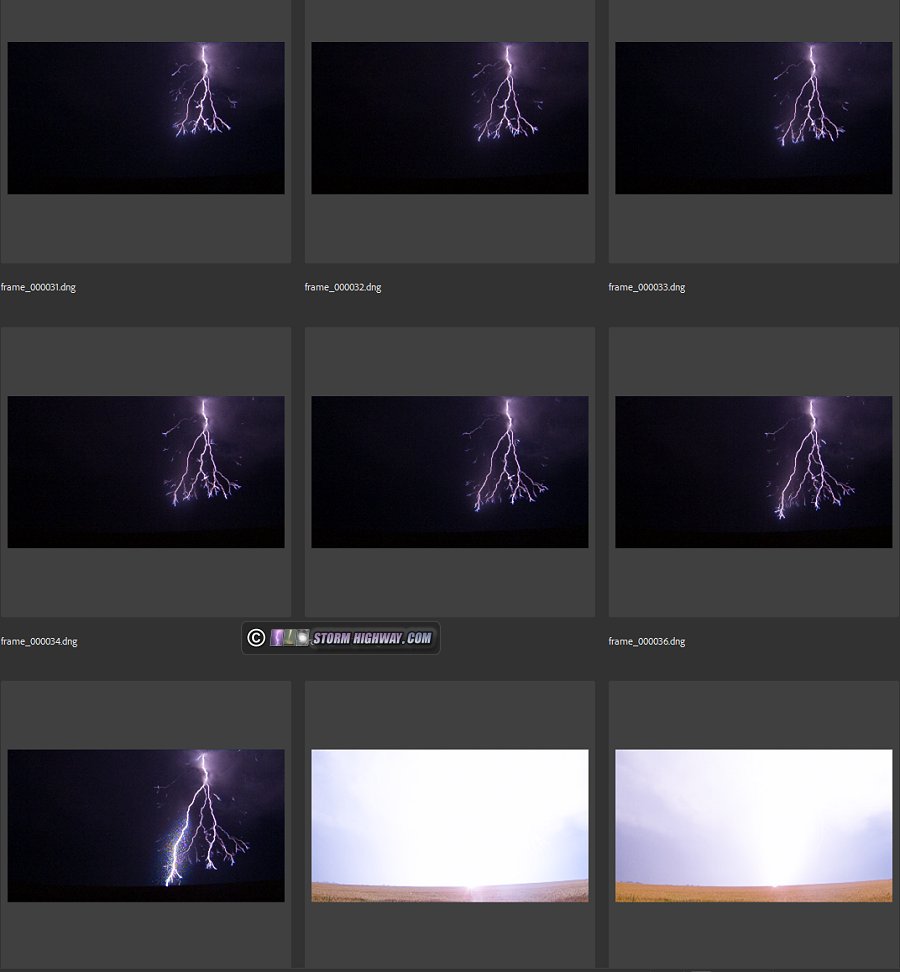
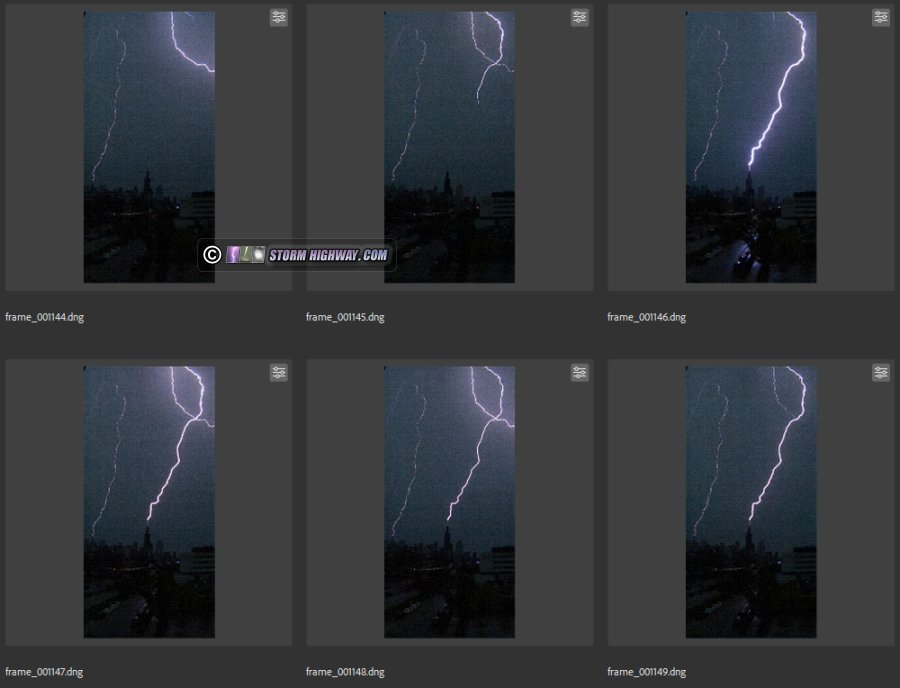
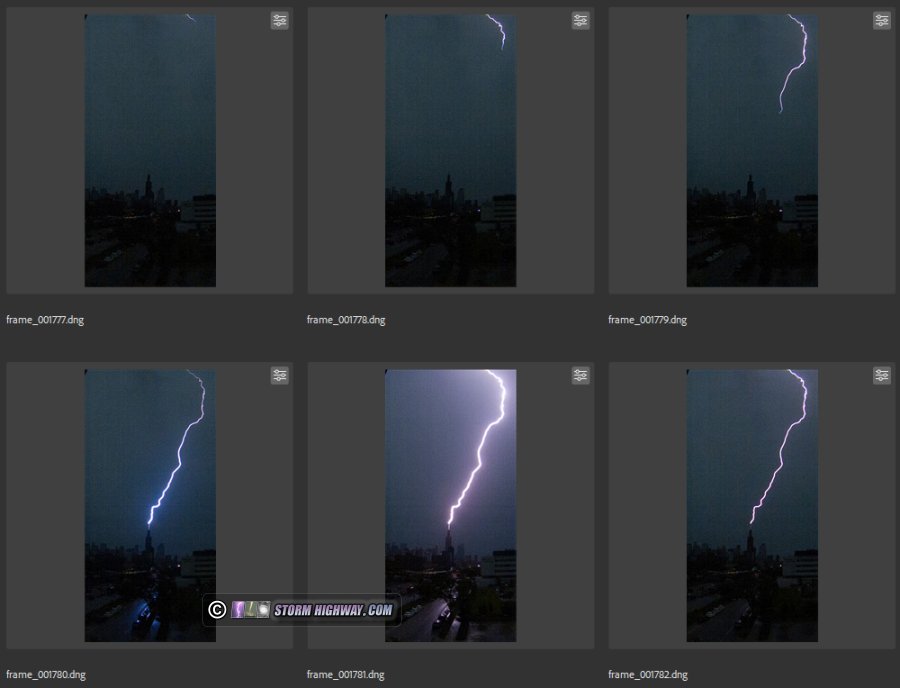
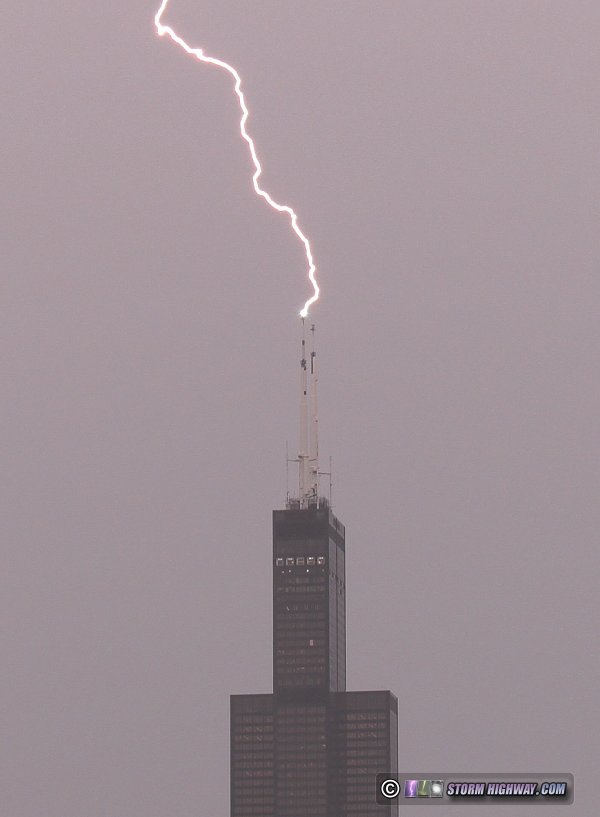
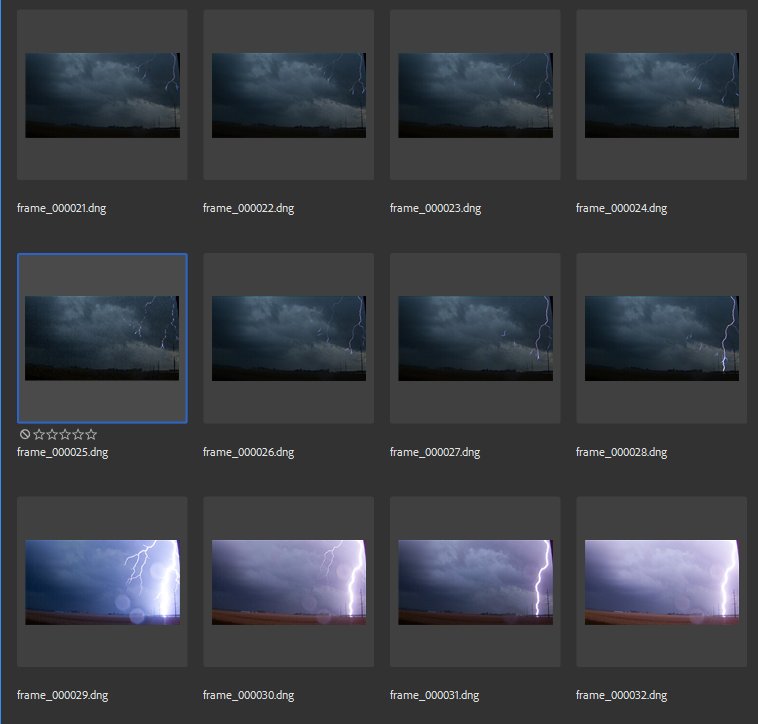
This storm had a menacing appearance as it approached, with an RFD surge evident and rapid upward motion in cloud tags under the base. A lightning barrage began, but only a single bolt barely landed in frame:
The southern end of the MCS was not very far to the south, and it was quickly crossing I-64 northbound. As this was happening, a trailing storm was getting organized near Highland. Surface obs suggested the southerly surface winds were making it north behind the MCS to this storm, so I headed west to intercept it at Pocahontas right as it became tornado warned.
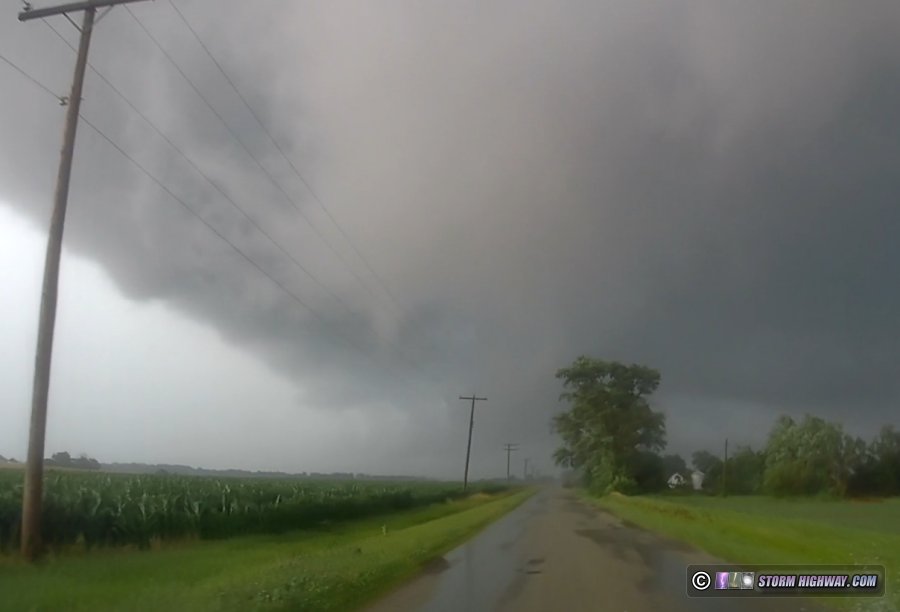
I arrived under the meso to find a healthy RFD surge and very rapid motion in progress. The rapid motion, funnels and overall look of this feature suggested a tornado may have been in progress this entire time. Despite me being almost directly underneath of this, I did not see any evidence of a ground circulation - mostly thanks to the numerous trees.
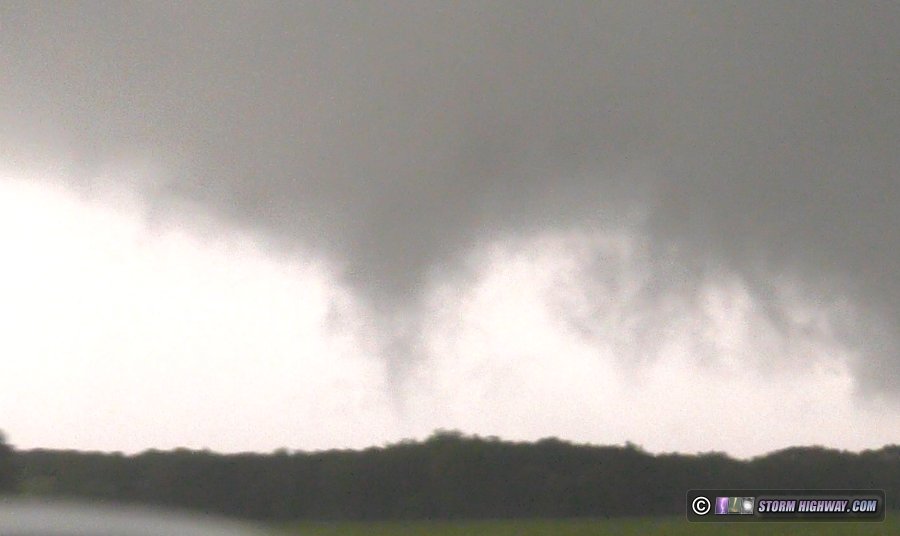
At Shobonier, I headed south. New convection was going up back home in St. Louis, so I began heading that way in case it managed to develop further. As I passed through Carlyle, the cell just west of downtown had "the look": a classic cyclonically-curved reflectivity signature. It was also tracking along the outflow boundary from the earlier storms. I pulled up the Arch webcam to see the base already had a lowering. It looked like I was going to miss another tornado behind the skyline, and this time, it was going to be a highly-photogenic one. There's no way I would make it. Heart attack time. I pressed on westbound, looking at the Arch webcam every few minutes - finally with relief as the storm lost its classic look and the updraft uneventfully moved off to the north of the city.
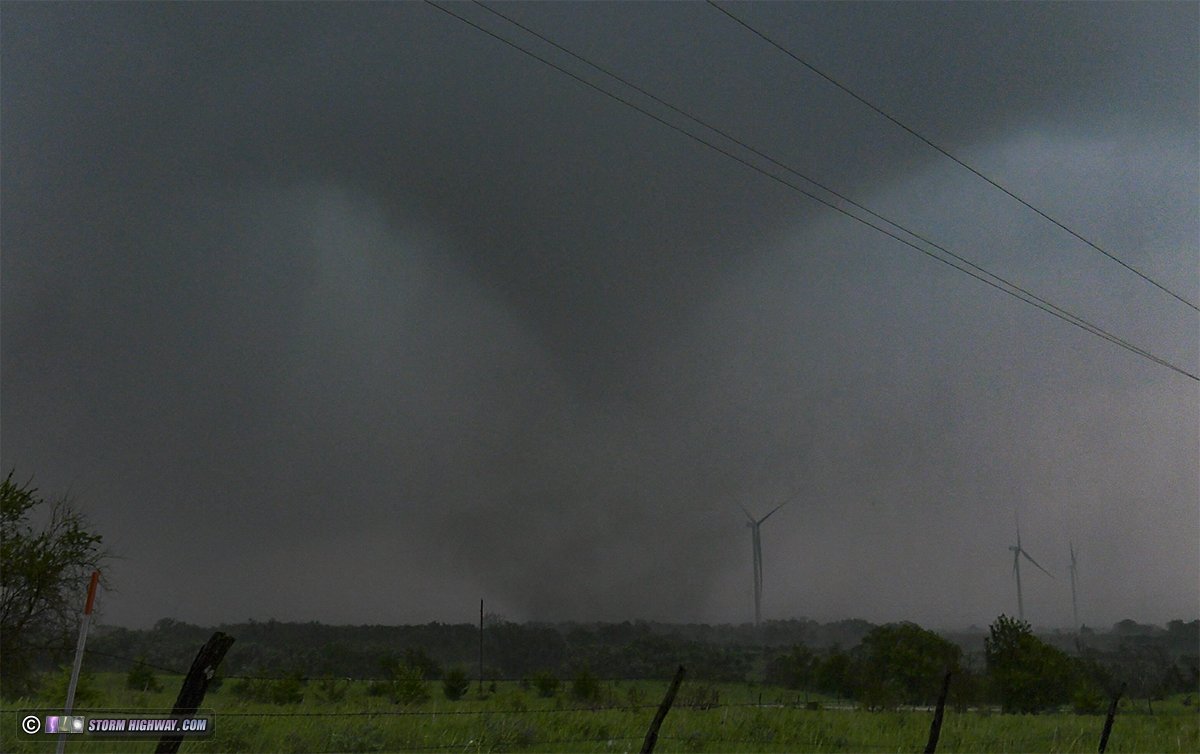
This storm did begin to intensify after crossing the river, and I intercepted it north of O'Fallon right as it became tornado-warned. The lowering didn't yet have a focused circulation:
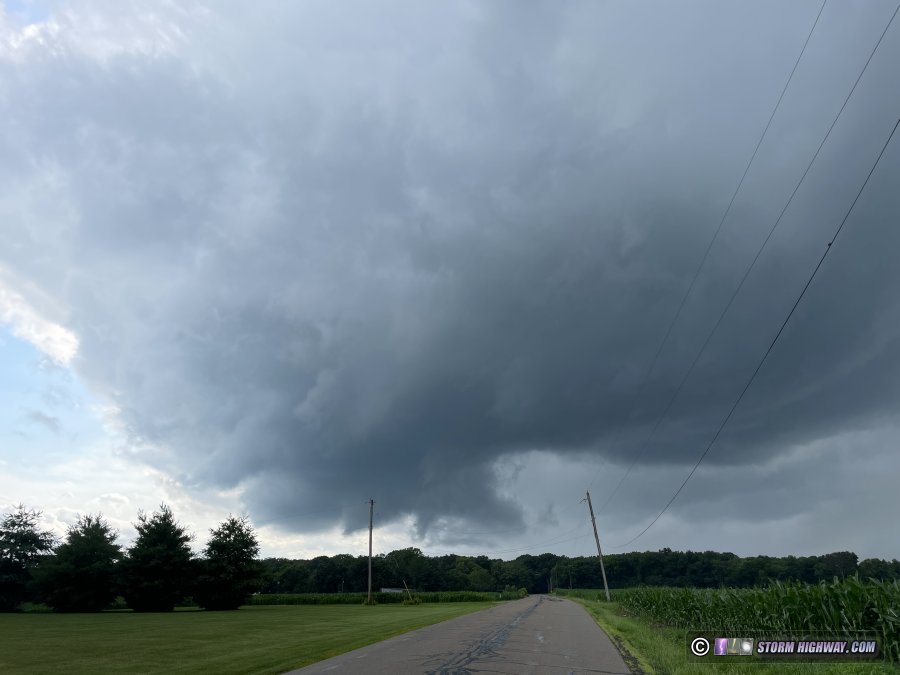
When I reached I-57, I decided to drop south to see if the storms down along I-64 would be as productive as they'd already been (I'd now heard about the tornado east of Mount Vernon). The three supercells I observed on my way south had the same issues as the Salem storm did, outflow-dominant with very little in the way of a focused low-level meso.
I was able to get back in front of the leader of these three storms at Mill Shoals. At first the structure looked impressive, but when I made my way under the base at Barnhill, I found more of the same issues the other storms were having: outflow just obliterating everything down low. The second cell to the west was already behind the composite RFD/outflow from the lead storm, and wasn't going to be a tornado threat.
I couldn't figure out why my storms weren't producing. Every other storm in the area, it seemed, was producing strong tornadoes. The one to the east crossing in Indiana looked crazy on radar, with a debris ball indicating another tornado. Surely storms over here should do the same, as the environments were virtually identical. I hoped that maybe low-level jet time starting soon would change things.
A third cell to the southwest looked best-poised to take advantage of these factors, so I dropped to southwest of Springerton to intercept it. This storm, at first, seemed to be suffering from the same outflow undercutting as all the others. But I stayed with it.
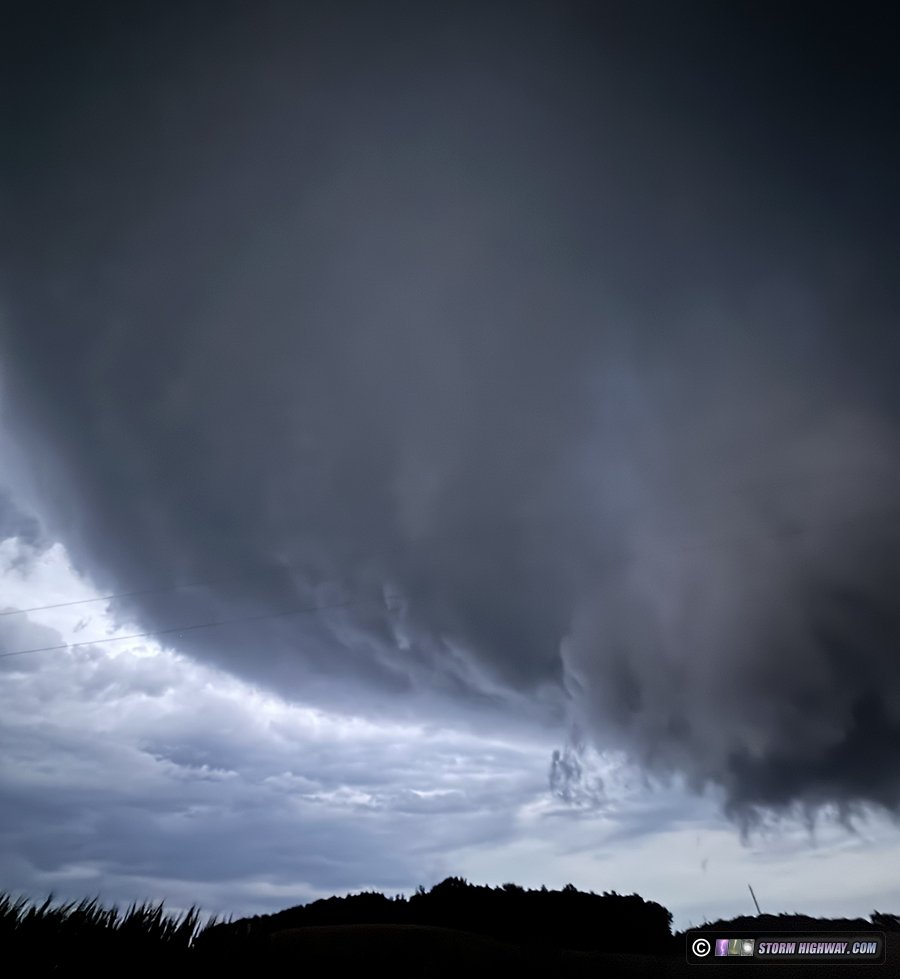
Finally, just north of Enfield, I got out and looked up to see a perfectly-rounded "mothership" updraft had taken shape overhead. My winds turned easterly instead of the northerly outflow like before.
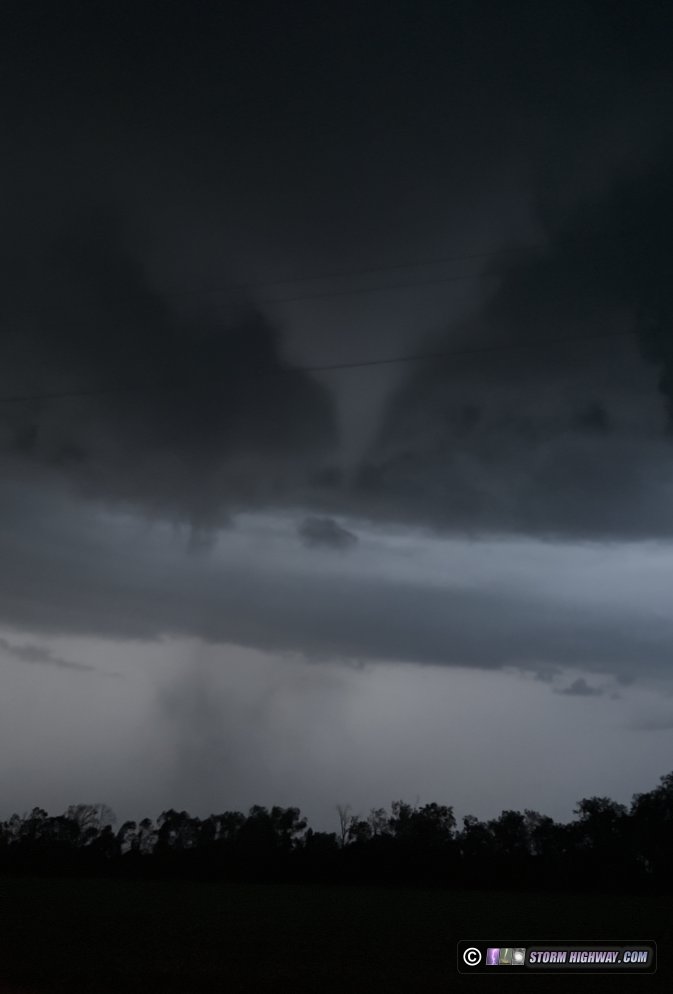
June 26: St. Louis metro storms bust
The target in the St. Louis area was an east-west stationary frontal boundary draped from around Bowling Green, Missouri to Litchfield, Illinois. A couple of storms went up on this boundary after 5pm, and I headed up to Marine to position in front of the lead storm. The trailing storm to the west managed to wrap up a broad circulation with a mild hook on radar near the Mississippi River, but there just wasn't enough instability for things to go very far. My storm fell apart before crossing I-55. The western storm faded soon therafter, and I headed home at sunset, never picking up a camera.
June 28: New Baden, Illinois lightning bust
Lingering low clouds, followed by a weaker line of showers passing overhead, blocked the view of the active storm at that distance. Lightning data suggested the storm was likely producing bolts-from-the-blue out of its south side, but I couldn't see any of it. It didn't appear I had any hope of getting the pesky clouds out of the way, so I didn't try pursuing the storm away from home.
|
||||||||





|
GO: Home | Storm Chase Logs | Photography | Extreme Weather Library | Stock Footage | Blog




Featured Weather Library Article:
 Ipods & lightning Ipods & lightningWill wearing headphones attract lightning to you? |  |
| More Library Articles |
Web Site Design and Internet Marketing by CIS Internet